갤러리 · 최신글
최예나 내 남은 연애에서 남자 출연자 모호함에 분노 HOT
최예나가 내 남은 연애에서 남자 출연자의 모호함에 답답해했음21일 방송된 SBS 예능 프로그램 내 남은 연애 최종회에서 출연자들이 거실에 모여 진실게임을 하는 장면이 나왔는데그때 최예나가 남자 출연자들에 대한 질문을 던졌다고 함남자 출연자가 어떤 사람인지 정확히 알 수…
갤러리 · 최신글
최예나가 내 남은 연애에서 남자 출연자의 모호함에 답답해했음21일 방송된 SBS 예능 프로그램 내 남은 연애 최종회에서 출연자들이 거실에 모여 진실게임을 하는 장면이 나왔는데그때 최예나가 남자 출연자들에 대한 질문을 던졌다고 함남자 출연자가 어떤 사람인지 정확히 알 수…
| 번호 | 제목 | 글쓴이 | 날짜 | 조회 |
|---|---|---|---|---|
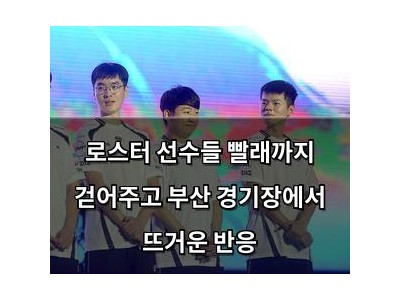
| 6889 | 로스터 선수들 빨래까지 걷어주고 부산 경기장에서 뜨거운 반응 [3] | 주지호 | 09-21 | 245 |
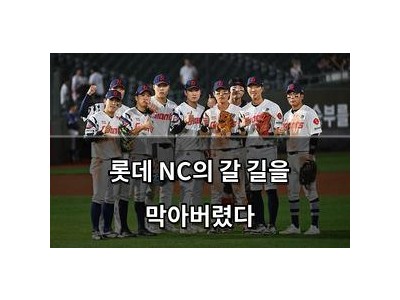
| 6881 | 롯데 NC의 갈 길을 막아버렸다 [7] | 한은우 | 09-19 | 928 |
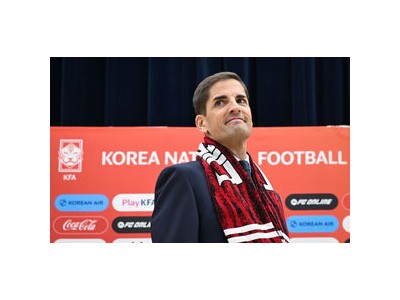
| 6874 | 모레노 감독 대표팀 선수들 경기력 살피며 11월 소집 준비 [6] | 최준서 | 09-19 | 705 |
| 6870 | 이강인 선발 출전한 아틀레티코 전반전 1-0으로 앞서가네 [3] | 하다솜 | 09-17 | 146 |
| 6866 | 윤동희 야구 국가대표 훈련 모습 공개 [3] | 성재현 | 09-17 | 568 |
| 6860 | 이범호 감독 김범수 투구 패턴 바꿔야 한다고 말함 [5] | 오세아 | 09-16 | 519 |
| 6853 | 부활남 더 레드 특별관 상영 확정 [6] | 곽가은 | 09-16 | 891 |
| 6846 | 오타이 대신 데뷔 홈런 쳤는데 다저스는 2연패 [6] | 임다솜 | 09-15 | 218 |